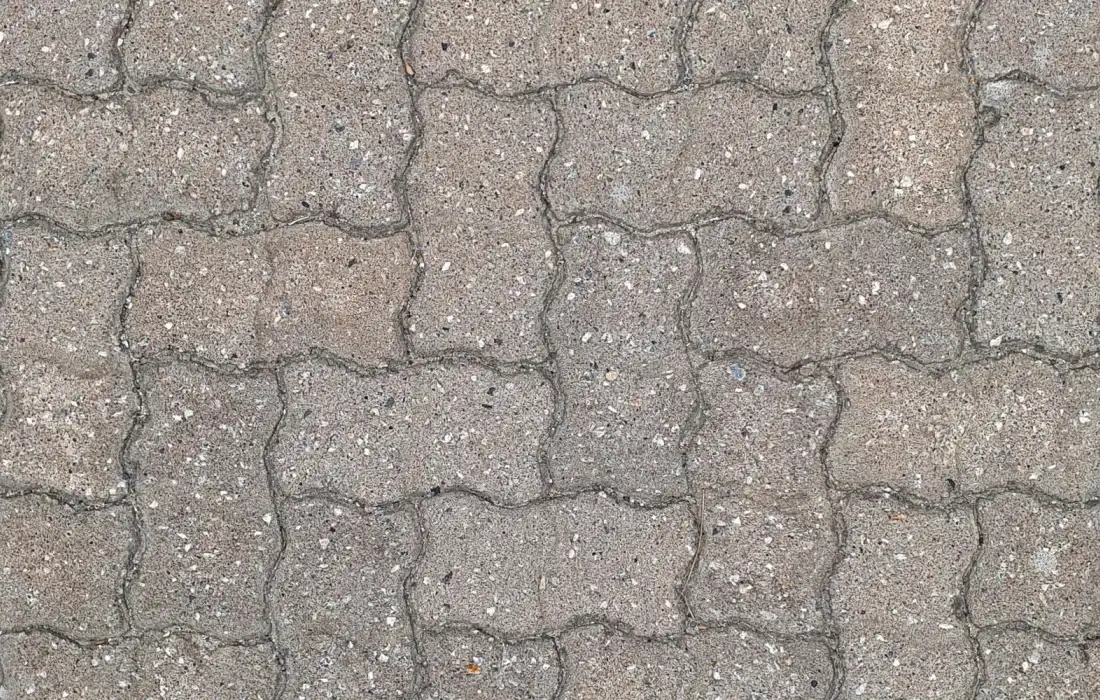
Read the bag, not a county average
Techniseal's SMARTSAND sheet says the jointing sand must dry completely before rain, 24 hours minimum, or it will not polymerize. It also says the product can withstand unexpected rain 60 minutes after installation, and that optimal performance still wants the 24-hour dry plan. Temperature must stay above 32 degrees Fahrenheit for 48 hours. The surface and the joints must be dry. Sprinklers stay off. The sheet limits the product to pavers on a drainage base and bedding sand installed as ICPI recommends, which is the older name on the CMHA construction note. Mechanical compaction is mandatory for this product. Pedestrian traffic can be immediate. Vehicles wait 48 to 72 hours. Wide joints, over 1/2 inch, take longer to dry.
Alliance Gator Super Sand G2, sheet dated June 2, 2025, also requires completely dry paver tops and sides. Damp joints keep the sand from packing. Temperature must be above 32 degrees Fahrenheit, with no rain for at least 15 minutes after water activation. The sheet tells you to install pavers to ICPI Tech Spec 2 first. Slope away from a pool or a building is at least 1/8 inch per foot. Pool coping joints are mortar, not this sand. The sand line stays at least 1/8 inch below the paver surface or below the chamfer, because traffic on the sand itself causes erosion. That 15-minute rain note is not Techniseal's 24-hour note. Do not mix the sentences.
SRW SimplyTough says pavers must be completely dry, to wait 24 hours after rain, and to install only when no rain is forecast for at least 24 hours before and after. Temperatures must stay above 32 degrees Fahrenheit through the cure. Irrigation stays off until the sand has cured. The page says curing may take up to 24 hours and that lower temperatures and higher humidity stretch that time. It also says to wait 28 days before cleaning or sealing. Joints are recommended from 1/8 inch to 3/4 inch, with a minimum depth of 1 1/2 inches. The page says the product is not for clay pavers or pool copings, and not for a constantly wet surface.
| Product sheet | Surface | Rain limit on that sheet | Other limit we read |
|---|---|---|---|
| Techniseal SMARTSAND (2024 US sheet) | Dry joints and surface | Plan on 24 hours. Unexpected rain tolerated after 60 minutes. | Above 32 F for 48 hours. Vehicles after 48 to 72 hours. |
| Alliance Gator Super Sand G2 (June 2, 2025) | Dry tops, sides, and joints | No rain for at least 15 minutes after activation. | Above 32 F. Coping joints are mortar. Slope at least 1/8 in. per foot. |
| SRW SimplyTough | Completely dry. Wait 24 hours after rain. | No rain forecast for 24 hours before and after. | Above 32 F. Wait 28 days before cleaning or sealing. Not for pool coping. |
Why a Volusia afternoon is the wrong test
NOAA's hurricane-season window is June 1 through November 30. Summer thunderstorms sit inside it. We are not publishing a Daytona rainfall normal, because that table was not attached. The practical point is on the sheets: a forecast with rain inside the product's window is a reason to wait. Humidity stretches SRW's cure. A brief shower 20 minutes after a Gator activation is inside that sheet's 15-minute claim and outside Techniseal's preferred 24 hours. The installer has to name the product before the weather argument means anything.
Sand does not rebuild a base
CMHA's construction note treats joint sand as the material swept in after the pavers are compacted, on a base that already meets the spec. If the field dips, the base moved. Polymeric sand will trace the dip. Read sinking pavers before you pay only for sand. Weeds and ants use empty joints. If the edge is intact and the field is flat, re-sanding is maintenance. That distinction is on the weeds and ants guide.
HomeGuide prices a clean, joint sand, and seal at $1.50 to $3.25 per sq ft, about $900 to $1,950 for 600 square feet. That band includes joint sand. It does not name Techniseal, Gator, or SRW, and it does not promise the sand survives a storm during the cure. Sealing too soon is its own mistake. SRW says wait 28 days. The Gator natural-stone sealer sheet says wait at least 48 hours after polymeric sand before that particular sealer. Those waits are product rules. The sealing cost guide is the dollar page.
A checklist before the hose comes out
- Write the product name on the quote. A 15-minute window and a 24-hour window are different promises.
- Confirm the pavers and the joints are dry, and that irrigation is off.
- Confirm the base is a sand-set system the sheet allows. Several sheets reject mortar-set or constantly wet joints.
- Keep coping joints in mortar if the sheet says so.
- Block cars for the vehicle wait on the sheet you bought. Techniseal's sheet says 48 to 72 hours.
- Do not seal the same day unless that sealer's sheet allows it. The ones we read do not.
What this page will not guess
Last checked November 1, 2026. We did not test these bags on a Volusia driveway, and we are not ranking them. A product that was not opened for this page may publish a different window. Price per bag was not copied, because coverage depends on joint width and the sheets already warn you that wide joints use more sand. Daytona Pavers does not sell the sand.
Last updated November 1, 2026.
Sources
- Techniseal SMARTSAND polymeric sand technical data sheet (US English, 2024)
- Alliance Gator Super Sand G2 technical data sheet (June 2, 2025)
- SRW Products, SimplyTough polymeric sand installation notes
- CMHA Tech Note PAV-TEC-002, Construction of Interlocking Concrete Pavements
- HomeGuide, cost to seal pavers (August 16, 2024)
- NOAA, tropical cyclone climatology (Atlantic hurricane season)
Last checked November 1, 2026. Ranges are national or publisher typical figures, not quotes.
Keep planning
- Cost calculator Turn a square footage into a sourced band.
-
- Volusia County Every city, service, and guide.
-
-
-
Questions homeowners ask
Can I install polymeric sand if it might rain?
Only inside the window on your bag. Techniseal wants a 24-hour plan. Gator Super Sand G2 says 15 minutes after activation. SRW SimplyTough says 24 hours with no rain in the forecast. Last checked November 1, 2026.
Why did polymeric sand leave a haze?
The sheets say damp pavers or too much water activate the polymers on the surface. That haze is not the white mineral bloom called efflorescence, which comes out of new concrete.
Does polymeric sand stop ants and weeds?
Full, sound joints give them less room. The sand does not rebuild a washed-out base or a failed edge. Fix those first.
How soon can I seal after polymeric sand?
SRW says 28 days before cleaning or sealing. The Gator natural-stone sheet says at least 48 hours after that brand's polymeric sand before that sealer. Read the jug you own.
Will polymeric sand fix sinking pavers?
No. It fills joints. It does not replace aggregate that washed out. Lift the settled units and rebuild the base.
Do you sell polymeric sand?
No. Daytona Pavers can match you with a local company for cleaning, re-sanding, or repair. We do not sell product.
Request a quote after you have a range in mind
Daytona Pavers is a free service that connects homeowners with local, independent paver installers. It is not itself the contractor. Your request is shared with a local installer so they can contact you with a quote.
Tell us about the project. We pass the request to a local, independent installer. You do not pay Daytona Pavers for the introduction, and you decide whether to hire anyone.
A budget range is optional. It is a planning hint, not a promise. Read how we handle this information on the privacy page.