
A small town with ocean on two sides
Ponce Inlet is the south end of the Daytona barrier island, between the inlet and the river, south of Daytona Beach Shores and north of New Smyrna Beach. Lighthouse Point Park and the inlet are the landmarks. Lots are a mix of older beach houses, newer raised homes, and a few larger riverfront parcels. Long mainland driveways are the exception. Walks, pool decks, and short drives are the usual paver projects, and every one of them is close to salt spray.
Wind-driven rain pushes water at thresholds. A new deck that sits proud of the door will leak in a storm even if the color is perfect. Tell the installer about flood vents, a seawall, and the gate width. Material that cannot pass the gate is carried, and that labor belongs in the quote.
The town already answered the permit question
The planning FAQ says a building permit is needed for most property improvements except flooring and painting, and it lists driveways, paver walkways, patios, and decks among the work that requires a permit. The building page says permits are needed for almost all construction, including walkways, driveways, and patios. The applications list includes a paver packet. That is the form to start with, not a guess that a flat patio is exempt.
The packet's checklist asks for a sealed survey, a scaled site plan with the paver area and the distance to property lines, drainage and retention, manufacturer specs for pervious or semi-pervious units, and the installation method. It says uncovered patios may extend into front and rear yards up to one-third of the distance between the property line and the building, or 8 feet from the property line, whichever is a greater distance from the line. Waterfront paver patios may go to the upland edge of the seawall or mean high water, whichever is closer to the building. Walkways up to 4 feet wide may reach the property line only if they are pervious. Semi-pervious walks stay at least 3 feet off the front, side, and rear lines. All paved areas must slope toward the inside of the lot, away from the right of way, the water, and the neighbor. Stormwater stays on site. A notice of commencement is required when the project exceeds $5,000. I am not inventing a retention volume. The packet's stormwater form states the minimum. Read that form rather than a summary.
Salt, heat, and what to pave with
Salt air is a weekly condition, not a rare storm. Metal edges that survive in DeLand can streak here. Rinse the surface after a windy week when you can. HomeGuide says a full clean, joint sand, and seal runs $1.50 to $3.25 per square foot nationally and that sealer often lasts 3 to 5 years. On an inlet lot, plan to look at the film sooner. Angi separately says driveway sealing maintenance is often $1 to $3 per square foot every 3 to 5 years. Those are two publishers, not a town ordinance.
Pool decks are where travertine earns its price, because bare feet care. HomeAdvisor's installed travertine band is $15 to $27 per square foot, and the 600 square foot line on that page is $9,000 to $16,200. The same page says removal of an existing patio can reach $3,700 and that travertine can often go over sound concrete. Sound concrete next to a seawall is a judgment call. Read the overlay guide and the sealing frequency guide together.
Small area, real base
A short drive can still use the national driveway bands: $10 to $18 per sq ft standard, $10 to $30 per sq ft wide. Because the square footage is small, the paperwork and the mobilization are a larger share of the bill than they are on a Deltona subdivision drive. HomeGuide's walkway band is $10 to $20 per sq ft. Ask for edges that will not rust, and for a slope the packet will accept, which means toward the lot and not toward the inlet or the neighbor.
- Start with the paver packet, not a verbal 'we never permit patios.' The FAQ says patios and paver walks need permits.
- Match the walk material to the setback. Pervious up to the line is not the same rule as semi-pervious.
- Keep runoff on the lot and slope away from the right of way and the water.
- File a notice of commencement if the job exceeds $5,000, as the packet describes.
- Choose edges and a sealer for salt air. Rinse after windy weeks.
- Compare notes with Daytona Beach Shores for salt and with New Smyrna Beach for the 60 percent cap, which is that city's rule, not Ponce Inlet's.
Last updated November 1, 2026.
Sources
- Florida Office of Economic and Demographic Research, Census Summary comparing April 1, 2020 and 2010 (prepared August 2021)
- Town of Ponce Inlet, planning and development FAQ
- Town of Ponce Inlet building and permitting
- Town of Ponce Inlet paver packet
- Town of Ponce Inlet building permit applications (paver packet is listed)
- USDA official soil series description, Myakka series
- HomeAdvisor, travertine paver installation cost (updated June 19, 2026)
- HomeGuide, cost to seal pavers (August 16, 2024)
- Angi, How Much Does a Paver Driveway Cost? (2026 data, updated Oct 15, 2026)
Last checked November 1, 2026. Ranges are national or publisher typical figures, not quotes.
In and around Ponce Inlet
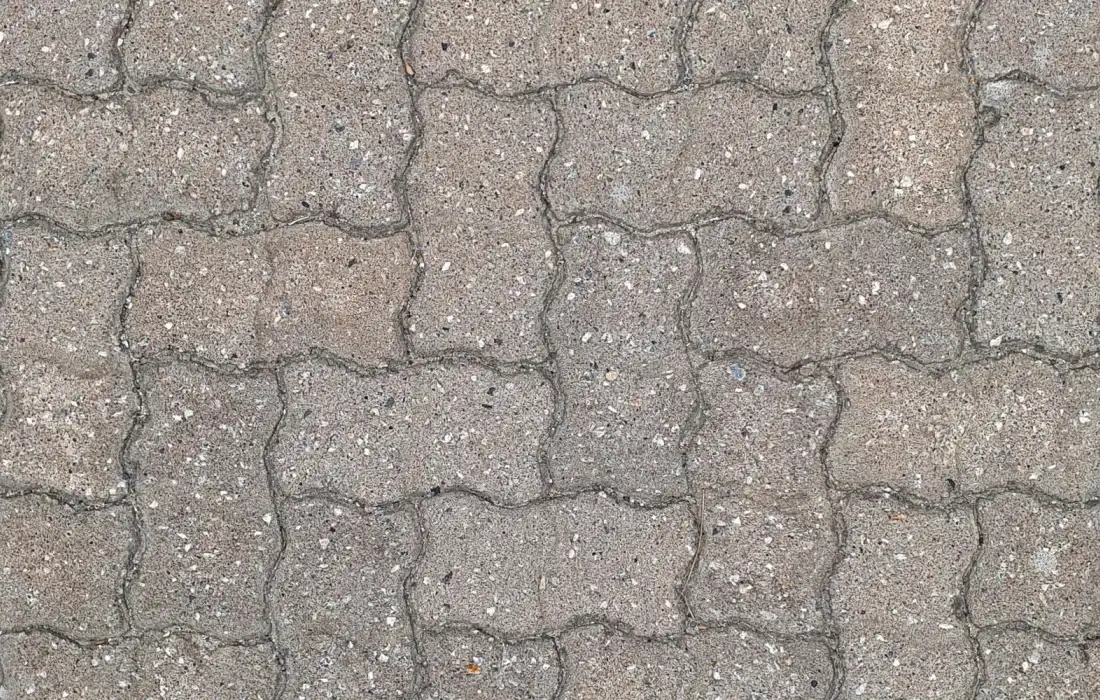
Paver services for Ponce Inlet
-
-
-

-
Permits, cost, and problems
- Permit row Where Ponce Inlet sits in the county permit guide.
- Cost calculator National published bands. Not a quote.
- Volusia County hub Every city page, service, and guide.
-
-
Deeper guides for this place
Questions about pavers in Ponce Inlet
Does Ponce Inlet require a permit for paver walkways?
Yes. The town FAQ lists driveways, paver walkways, patios, and decks as work that needs a permit. The building applications page includes a paver packet.
How close can a walk get to the property line?
The packet says walks up to 4 feet wide may reach the line if they are pervious. Semi-pervious walks stay at least 3 feet away. Patio setbacks are different. Read the packet for your yard, including waterfront yards.
Where does the rain have to go?
The packet says paved areas slope to the interior of the lot, away from the right of way, the waterway, and the neighbor, and that stormwater is kept on site.
How often should inlet pavers be sealed?
HomeGuide says sealer often lasts 3 to 5 years, at $1.50 to $3.25 per square foot for a clean, sand, and seal. Salt air can shorten that. It is guidance, not a town law. Last checked November 1, 2026.
Are you the installer in Ponce Inlet?
No. Daytona Pavers matches homeowners with independent installers. We do not pull town permits and we do not install pavers.
Request a quote in Ponce Inlet
Daytona Pavers is a free service that connects homeowners with local, independent paver installers. It is not itself the contractor. Your request is shared with a local installer so they can contact you with a quote.
Tell us about the project. We pass the request to a local, independent installer. You do not pay Daytona Pavers for the introduction, and you decide whether to hire anyone.
A budget range is optional. It is a planning hint, not a promise. Read how we handle this information on the privacy page.